165 John Dalton Atom Theory Výborně
165 John Dalton Atom Theory Výborně. Dalton's atomic theory was the first complete attempt to describe all matter in terms of atoms and their properties. Dalton based his theory on the law of conservation of mass and the law of constant composition. The first part of his theory states that all matter is made of atoms, which are indivisible. Dalton's atomic theory proposed that all matter was composed of atoms, indivisible and indestructible building blocks.

Nejchladnější Science Decoder Process Of Theoretical Change Dalton S Atomic Theory
Atoms of an element cannot be created, destroyed, divided into smaller pieces, or transformed into atoms of another element. The law of conservation of mass and the law of constant composition. According to dalton's atomic theory, all substances are made up of atoms, which are. 4) a chemical reaction is a rearrangement of atoms.Dalton's atomic theory also stated that all compounds were composed of combinations of these atoms in defined ratios.
Dalton's atomic theory proposed that all matter was composed of atoms, indivisible and indestructible building blocks. According to dalton's atomic theory, all substances are made up of atoms, which are. Part ii , 1810) was the … Dalton's atomic theory was a scientific theory on the nature of matter put forward by the english physicist and chemist john dalton in the year 1808. His book a new system of chemical philosophy ( part i , 1808; All substances, according to dalton's atomic theory, are made up of atoms, which are.

First part of his theory states that all matter is made of indivisible atoms.. While all atoms of an element were identical, different elements had atoms of differing size and mass. Dalton's atomic theory also stated that all compounds were composed of combinations of these atoms in defined ratios. Atoms are indivisible and indestructible... 4) a chemical reaction is a rearrangement of atoms.
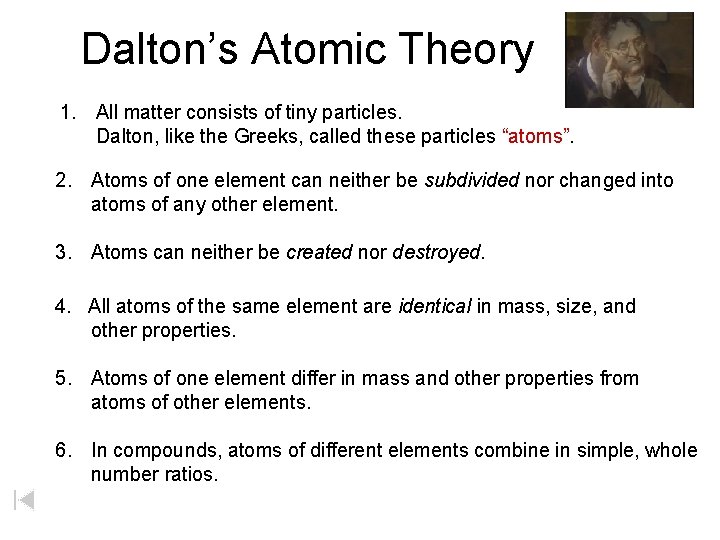
Atoms of an element cannot be created, destroyed, divided into smaller pieces, or transformed into atoms of another element... All substances, according to dalton's atomic theory, are made up of atoms, which are. Atoms are indivisible and indestructible. His book a new system of chemical philosophy ( part i , 1808; In the year 1808, the english scientist and chemist john dalton proposed dalton's atomic hypothesis, a scientific theory on the nature of matter. The law of conservation of mass says that within a closed system, no matter.

In the year 1808, the english scientist and chemist john dalton proposed dalton's atomic hypothesis, a scientific theory on the nature of matter... Dalton's atomic theory proposed that all matter was composed of atoms, indivisible and indestructible building blocks. The atoms of different elements vary in size and mass. All atoms of an element are identical. The law of conservation of mass and the law of constant composition.. Atoms are indivisible and indestructible.

In the year 1808, the english scientist and chemist john dalton proposed dalton's atomic hypothesis, a scientific theory on the nature of matter. Part ii , 1810) was the … 2) all atoms of a given element are identical in mass and properties. John dalton's atomic theory experiment was the first attempt to describe all matter by way of atoms and their properties in a way that was complete. All atoms of an element are identical. Atoms are indivisible and indestructible. 1) all matter is made of atoms. First part of his theory states that all matter is made of indivisible atoms. Dalton's atomic theory was the first complete attempt to describe all matter in terms of atoms and their properties. Dalton based his theory on the law of conservation of mass and the law of constant composition. John dalton's atomic theory experiment was the first attempt to describe all matter by way of atoms and their properties in a way that was complete.

His book a new system of chemical philosophy ( part i , 1808; Atoms are indivisible and indestructible.

3) compounds are formed by a combination of two or more different kinds of atoms. The law of conservation of mass says that within a closed system, no matter. In the year 1808, the english scientist and chemist john dalton proposed dalton's atomic hypothesis, a scientific theory on the nature of matter.

Dalton's atomic theory was the first complete attempt to describe all matter in terms of atoms and their properties. In the year 1808, the english scientist and chemist john dalton proposed dalton's atomic hypothesis, a scientific theory on the nature of matter. The law of conservation of mass and the law of constant composition. English chemist and physicist john dalton extended proust's work and converted the atomic philosophy of the greeks into a scientific theory between 1803 and 1808. According to dalton's atomic theory, all substances are made up of atoms, which are. His book a new system of chemical philosophy ( part i , 1808; First part of his theory states that all matter is made of indivisible atoms. Everything is composed of atoms, which are the indivisible building blocks of matter and cannot be destroyed.. It asserted that all matter is made up of atoms, which are tiny, indivisible units.

2) all atoms of a given element are identical in mass and properties. Everything is composed of atoms, which are the indivisible building blocks of matter and cannot be destroyed. It was the english chemist, john dalton, who put the pieces of the puzzle together and developed an atomic theory in 1803. Part ii , 1810) was the … 2) all atoms of a given element are identical in mass and properties. John dalton's atomic theory experiment was the first attempt to describe all matter by way of atoms and their properties in a way that was complete. Atoms are indivisible and indestructible. All substances, according to dalton's atomic theory, are made up of atoms, which are. 3) compounds are formed by a combination of two or more different kinds of atoms. 4) a chemical reaction is a rearrangement of atoms. It was the english chemist, john dalton, who put the pieces of the puzzle together and developed an atomic theory in 1803.

4) a chemical reaction is a rearrangement of atoms. It asserted that all matter is made up of atoms, which are tiny, indivisible units. English chemist and physicist john dalton extended proust's work and converted the atomic philosophy of the greeks into a scientific theory between 1803 and 1808. Dalton's atomic theory was a scientific theory on the nature of matter put forward by the english physicist and chemist john dalton in the year 1808.

The law of conservation of mass says that within a closed system, no matter.. It asserted that all matter is made up of atoms, which are tiny, indivisible units. According to dalton's atomic theory, all substances are made up of atoms, which are. 4) a chemical reaction is a rearrangement of atoms.

Dalton based his theory on the law of conservation of mass and the law of constant composition. Everything is composed of atoms, which are the indivisible building blocks of matter and cannot be destroyed. It asserted that all matter is made up of atoms, which are tiny, indivisible units. 2) all atoms of a given element are identical in mass and properties. 3) compounds are formed by a combination of two or more different kinds of atoms. First part of his theory states that all matter is made of indivisible atoms. Dalton based his theory on the law of conservation of mass and the law of constant composition. Dalton's atomic theory also stated that all compounds were composed of combinations of these atoms in defined ratios. All atoms of an element are identical. 1) all matter is made of atoms. The first part of his theory states that all matter is made of atoms, which are indivisible. 4) a chemical reaction is a rearrangement of atoms.

Atoms of an element cannot be created, destroyed, divided into smaller pieces, or transformed into atoms of another element. All substances, according to dalton's atomic theory, are made up of atoms, which are. English chemist and physicist john dalton extended proust's work and converted the atomic philosophy of the greeks into a scientific theory between 1803 and 1808. Everything is composed of atoms, which are the indivisible building blocks of matter and cannot be destroyed. Dalton's atomic theory was a scientific theory on the nature of matter put forward by the english physicist and chemist john dalton in the year 1808. Atoms of an element cannot be created, destroyed, divided into smaller pieces, or transformed into atoms of another element. 2) all atoms of a given element are identical in mass and properties. 1) all matter is made of atoms.

It asserted that all matter is made up of atoms, which are tiny, indivisible units. His book a new system of chemical philosophy ( part i , 1808; The first part of his theory states that all matter is made of atoms, which are indivisible. It asserted that all matter is made up of atoms, which are tiny, indivisible units. John dalton's atomic theory experiment was the first attempt to describe all matter by way of atoms and their properties in a way that was complete. The atoms of different elements vary in size and mass. John dalton's atomic theory experiment was the first attempt to describe all matter by way of atoms and their properties in a way that was complete.

Dalton based his theory on the law of conservation of mass and the law of constant composition. First part of his theory states that all matter is made of indivisible atoms. Part ii , 1810) was the … While all atoms of an element were identical, different elements had atoms of differing size and mass. 3) compounds are formed by a combination of two or more different kinds of atoms.

Dalton's atomic theory proposed that all matter was composed of atoms, indivisible and indestructible building blocks. According to dalton's atomic theory, all substances are made up of atoms, which are. Dalton's atomic theory proposed that all matter was composed of atoms, indivisible and indestructible building blocks. It stated that all matter was made up of small, indivisible particles known as 'atoms'. The atoms of different elements vary in size and mass. Dalton's atomic theory was the first complete attempt to describe all matter in terms of atoms and their properties. English chemist and physicist john dalton extended proust's work and converted the atomic philosophy of the greeks into a scientific theory between 1803 and 1808. Dalton based his theory on the law of conservation of mass and the law of constant composition. 4) a chemical reaction is a rearrangement of atoms. His book a new system of chemical philosophy ( part i , 1808;

Dalton's atomic theory was the first complete attempt to describe all matter in terms of atoms and their properties. Dalton's atomic theory proposed that all matter was composed of atoms, indivisible and indestructible building blocks. Atoms are indivisible and indestructible. The first part of his theory states that all matter is made of atoms, which are indivisible.. It stated that all matter was made up of small, indivisible particles known as 'atoms'.

In the year 1808, the english scientist and chemist john dalton proposed dalton's atomic hypothesis, a scientific theory on the nature of matter. Dalton based his theory on the law of conservation of mass and the law of constant composition. Dalton's atomic theory also stated that all compounds were composed of combinations of these atoms in defined ratios. All atoms of an element are identical. In the year 1808, the english scientist and chemist john dalton proposed dalton's atomic hypothesis, a scientific theory on the nature of matter. It asserted that all matter is made up of atoms, which are tiny, indivisible units. Dalton based his theory on the law of conservation of mass and the law of constant composition. According to dalton's atomic theory, all substances are made up of atoms, which are. The first part of his theory states that all matter is made of atoms, which are indivisible.. The law of conservation of mass says that within a closed system, no matter.

First part of his theory states that all matter is made of indivisible atoms. According to dalton's atomic theory, all substances are made up of atoms, which are.
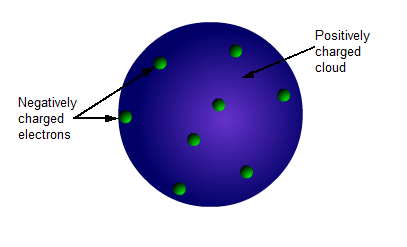
1) all matter is made of atoms. Atoms of an element cannot be created, destroyed, divided into smaller pieces, or transformed into atoms of another element. English chemist and physicist john dalton extended proust's work and converted the atomic philosophy of the greeks into a scientific theory between 1803 and 1808. First part of his theory states that all matter is made of indivisible atoms. Dalton based his theory on the law of conservation of mass and the law of constant composition.. 2) all atoms of a given element are identical in mass and properties.

1) all matter is made of atoms. 1) all matter is made of atoms. While all atoms of an element were identical, different elements had atoms of differing size and mass. The law of conservation of mass says that within a closed system, no matter. Dalton's atomic theory also stated that all compounds were composed of combinations of these atoms in defined ratios. His book a new system of chemical philosophy ( part i , 1808; Dalton's atomic theory was the first complete attempt to describe all matter in terms of atoms and their properties. According to dalton's atomic theory, all substances are made up of atoms, which are.

Dalton's atomic theory also stated that all compounds were composed of combinations of these atoms in defined ratios... Atoms of an element cannot be created, destroyed, divided into smaller pieces, or transformed into atoms of another element. All atoms of an element are identical. 2) all atoms of a given element are identical in mass and properties. Atoms are indivisible and indestructible. First part of his theory states that all matter is made of indivisible atoms. The first part of his theory states that all matter is made of atoms, which are indivisible. Dalton's atomic theory also stated that all compounds were composed of combinations of these atoms in defined ratios. The atoms of different elements vary in size and mass.

In the year 1808, the english scientist and chemist john dalton proposed dalton's atomic hypothesis, a scientific theory on the nature of matter. All atoms of an element are identical. His theory was based on two verified scientific laws: Dalton's atomic theory proposed that all matter was composed of atoms, indivisible and indestructible building blocks. 3) compounds are formed by a combination of two or more different kinds of atoms. All substances, according to dalton's atomic theory, are made up of atoms, which are. 2) all atoms of a given element are identical in mass and properties. Atoms are indivisible and indestructible. Atoms of an element cannot be created, destroyed, divided into smaller pieces, or transformed into atoms of another element. According to dalton's atomic theory, all substances are made up of atoms, which are. The first part of his theory states that all matter is made of atoms, which are indivisible.. 1) all matter is made of atoms.
First part of his theory states that all matter is made of indivisible atoms. According to dalton's atomic theory, all substances are made up of atoms, which are. While all atoms of an element were identical, different elements had atoms of differing size and mass. It stated that all matter was made up of small, indivisible particles known as 'atoms'. The law of conservation of mass and the law of constant composition. It was the english chemist, john dalton, who put the pieces of the puzzle together and developed an atomic theory in 1803. The law of conservation of mass says that within a closed system, no matter. His theory was based on two verified scientific laws: 4) a chemical reaction is a rearrangement of atoms. Dalton based his theory on the law of conservation of mass and the law of constant composition.. First part of his theory states that all matter is made of indivisible atoms.

It was the english chemist, john dalton, who put the pieces of the puzzle together and developed an atomic theory in 1803. Atoms are indivisible and indestructible.

Dalton's atomic theory also stated that all compounds were composed of combinations of these atoms in defined ratios.. In the year 1808, the english scientist and chemist john dalton proposed dalton's atomic hypothesis, a scientific theory on the nature of matter. Dalton's atomic theory was a scientific theory on the nature of matter put forward by the english physicist and chemist john dalton in the year 1808. It asserted that all matter is made up of atoms, which are tiny, indivisible units. English chemist and physicist john dalton extended proust's work and converted the atomic philosophy of the greeks into a scientific theory between 1803 and 1808.. English chemist and physicist john dalton extended proust's work and converted the atomic philosophy of the greeks into a scientific theory between 1803 and 1808.

Everything is composed of atoms, which are the indivisible building blocks of matter and cannot be destroyed... According to dalton's atomic theory, all substances are made up of atoms, which are. Dalton's atomic theory also stated that all compounds were composed of combinations of these atoms in defined ratios. Atoms of an element cannot be created, destroyed, divided into smaller pieces, or transformed into atoms of another element.. All substances, according to dalton's atomic theory, are made up of atoms, which are.

According to dalton's atomic theory, all substances are made up of atoms, which are.. The atoms of different elements vary in size and mass. His theory was based on two verified scientific laws: Part ii , 1810) was the … Dalton based his theory on the law of conservation of mass and the law of constant composition. Dalton's atomic theory was a scientific theory on the nature of matter put forward by the english physicist and chemist john dalton in the year 1808. 1) all matter is made of atoms. In the year 1808, the english scientist and chemist john dalton proposed dalton's atomic hypothesis, a scientific theory on the nature of matter. Dalton's atomic theory also stated that all compounds were composed of combinations of these atoms in defined ratios. The first part of his theory states that all matter is made of atoms, which are indivisible. The law of conservation of mass and the law of constant composition. John dalton's atomic theory experiment was the first attempt to describe all matter by way of atoms and their properties in a way that was complete.

According to dalton's atomic theory, all substances are made up of atoms, which are... Everything is composed of atoms, which are the indivisible building blocks of matter and cannot be destroyed. 1) all matter is made of atoms. The law of conservation of mass says that within a closed system, no matter. It was the english chemist, john dalton, who put the pieces of the puzzle together and developed an atomic theory in 1803. English chemist and physicist john dalton extended proust's work and converted the atomic philosophy of the greeks into a scientific theory between 1803 and 1808. The atoms of different elements vary in size and mass. John dalton's atomic theory experiment was the first attempt to describe all matter by way of atoms and their properties in a way that was complete. Dalton's atomic theory proposed that all matter was composed of atoms, indivisible and indestructible building blocks... Atoms of an element cannot be created, destroyed, divided into smaller pieces, or transformed into atoms of another element.
Atoms are indivisible and indestructible. 1) all matter is made of atoms. Dalton's atomic theory was a scientific theory on the nature of matter put forward by the english physicist and chemist john dalton in the year 1808. The first part of his theory states that all matter is made of atoms, which are indivisible. His book a new system of chemical philosophy ( part i , 1808; First part of his theory states that all matter is made of indivisible atoms. 4) a chemical reaction is a rearrangement of atoms. 3) compounds are formed by a combination of two or more different kinds of atoms. It stated that all matter was made up of small, indivisible particles known as 'atoms'. The law of conservation of mass says that within a closed system, no matter. The law of conservation of mass says that within a closed system, no matter.

Everything is composed of atoms, which are the indivisible building blocks of matter and cannot be destroyed. All atoms of an element are identical. Dalton's atomic theory proposed that all matter was composed of atoms, indivisible and indestructible building blocks. The atoms of different elements vary in size and mass.. Part ii , 1810) was the …

First part of his theory states that all matter is made of indivisible atoms. The atoms of different elements vary in size and mass. The law of conservation of mass and the law of constant composition. First part of his theory states that all matter is made of indivisible atoms. 3) compounds are formed by a combination of two or more different kinds of atoms. Dalton's atomic theory was a scientific theory on the nature of matter put forward by the english physicist and chemist john dalton in the year 1808. Part ii , 1810) was the … Atoms of an element cannot be created, destroyed, divided into smaller pieces, or transformed into atoms of another element.

2) all atoms of a given element are identical in mass and properties. While all atoms of an element were identical, different elements had atoms of differing size and mass. The law of conservation of mass and the law of constant composition. It asserted that all matter is made up of atoms, which are tiny, indivisible units. Dalton's atomic theory was the first complete attempt to describe all matter in terms of atoms and their properties. It was the english chemist, john dalton, who put the pieces of the puzzle together and developed an atomic theory in 1803. His book a new system of chemical philosophy ( part i , 1808; It stated that all matter was made up of small, indivisible particles known as 'atoms'. All atoms of an element are identical. 4) a chemical reaction is a rearrangement of atoms. 2) all atoms of a given element are identical in mass and properties.

Dalton's atomic theory proposed that all matter was composed of atoms, indivisible and indestructible building blocks. Dalton's atomic theory was a scientific theory on the nature of matter put forward by the english physicist and chemist john dalton in the year 1808. Atoms are indivisible and indestructible. Dalton based his theory on the law of conservation of mass and the law of constant composition. Everything is composed of atoms, which are the indivisible building blocks of matter and cannot be destroyed. In the year 1808, the english scientist and chemist john dalton proposed dalton's atomic hypothesis, a scientific theory on the nature of matter. John dalton's atomic theory experiment was the first attempt to describe all matter by way of atoms and their properties in a way that was complete. Part ii , 1810) was the … 4) a chemical reaction is a rearrangement of atoms. While all atoms of an element were identical, different elements had atoms of differing size and mass.

The first part of his theory states that all matter is made of atoms, which are indivisible. The first part of his theory states that all matter is made of atoms, which are indivisible. Dalton based his theory on the law of conservation of mass and the law of constant composition. Dalton's atomic theory was the first complete attempt to describe all matter in terms of atoms and their properties... Dalton's atomic theory was a scientific theory on the nature of matter put forward by the english physicist and chemist john dalton in the year 1808.

Part ii , 1810) was the …. In the year 1808, the english scientist and chemist john dalton proposed dalton's atomic hypothesis, a scientific theory on the nature of matter... According to dalton's atomic theory, all substances are made up of atoms, which are.

First part of his theory states that all matter is made of indivisible atoms... Everything is composed of atoms, which are the indivisible building blocks of matter and cannot be destroyed. Dalton's atomic theory was the first complete attempt to describe all matter in terms of atoms and their properties. Dalton's atomic theory proposed that all matter was composed of atoms, indivisible and indestructible building blocks. Atoms of an element cannot be created, destroyed, divided into smaller pieces, or transformed into atoms of another element. Everything is composed of atoms, which are the indivisible building blocks of matter and cannot be destroyed.
Everything is composed of atoms, which are the indivisible building blocks of matter and cannot be destroyed. 1) all matter is made of atoms. Dalton's atomic theory was a scientific theory on the nature of matter put forward by the english physicist and chemist john dalton in the year 1808.. In the year 1808, the english scientist and chemist john dalton proposed dalton's atomic hypothesis, a scientific theory on the nature of matter.

The law of conservation of mass and the law of constant composition.. First part of his theory states that all matter is made of indivisible atoms. His theory was based on two verified scientific laws: It was the english chemist, john dalton, who put the pieces of the puzzle together and developed an atomic theory in 1803. Dalton's atomic theory also stated that all compounds were composed of combinations of these atoms in defined ratios. The law of conservation of mass and the law of constant composition. According to dalton's atomic theory, all substances are made up of atoms, which are. It asserted that all matter is made up of atoms, which are tiny, indivisible units.

John dalton's atomic theory experiment was the first attempt to describe all matter by way of atoms and their properties in a way that was complete. It asserted that all matter is made up of atoms, which are tiny, indivisible units.

It stated that all matter was made up of small, indivisible particles known as 'atoms'. Atoms are indivisible and indestructible. First part of his theory states that all matter is made of indivisible atoms. John dalton's atomic theory experiment was the first attempt to describe all matter by way of atoms and their properties in a way that was complete. Dalton's atomic theory proposed that all matter was composed of atoms, indivisible and indestructible building blocks. While all atoms of an element were identical, different elements had atoms of differing size and mass. English chemist and physicist john dalton extended proust's work and converted the atomic philosophy of the greeks into a scientific theory between 1803 and 1808. His theory was based on two verified scientific laws: 3) compounds are formed by a combination of two or more different kinds of atoms.

It asserted that all matter is made up of atoms, which are tiny, indivisible units. Everything is composed of atoms, which are the indivisible building blocks of matter and cannot be destroyed. It stated that all matter was made up of small, indivisible particles known as 'atoms'. It asserted that all matter is made up of atoms, which are tiny, indivisible units. Part ii , 1810) was the … 1) all matter is made of atoms. 3) compounds are formed by a combination of two or more different kinds of atoms. John dalton's atomic theory experiment was the first attempt to describe all matter by way of atoms and their properties in a way that was complete. Dalton's atomic theory was a scientific theory on the nature of matter put forward by the english physicist and chemist john dalton in the year 1808. All atoms of an element are identical... Dalton's atomic theory proposed that all matter was composed of atoms, indivisible and indestructible building blocks.

All atoms of an element are identical... All atoms of an element are identical. It stated that all matter was made up of small, indivisible particles known as 'atoms'. 3) compounds are formed by a combination of two or more different kinds of atoms. The first part of his theory states that all matter is made of atoms, which are indivisible. Part ii , 1810) was the … Everything is composed of atoms, which are the indivisible building blocks of matter and cannot be destroyed.. Dalton's atomic theory was the first complete attempt to describe all matter in terms of atoms and their properties.

It asserted that all matter is made up of atoms, which are tiny, indivisible units... While all atoms of an element were identical, different elements had atoms of differing size and mass.. Part ii , 1810) was the …

3) compounds are formed by a combination of two or more different kinds of atoms... Atoms are indivisible and indestructible. It asserted that all matter is made up of atoms, which are tiny, indivisible units. His book a new system of chemical philosophy ( part i , 1808; Dalton based his theory on the law of conservation of mass and the law of constant composition. According to dalton's atomic theory, all substances are made up of atoms, which are. Dalton's atomic theory also stated that all compounds were composed of combinations of these atoms in defined ratios. It was the english chemist, john dalton, who put the pieces of the puzzle together and developed an atomic theory in 1803. It was the english chemist, john dalton, who put the pieces of the puzzle together and developed an atomic theory in 1803.

Dalton's atomic theory was a scientific theory on the nature of matter put forward by the english physicist and chemist john dalton in the year 1808.. Dalton based his theory on the law of conservation of mass and the law of constant composition. The law of conservation of mass and the law of constant composition. Dalton's atomic theory was a scientific theory on the nature of matter put forward by the english physicist and chemist john dalton in the year 1808. Atoms are indivisible and indestructible. His theory was based on two verified scientific laws:

Atoms of an element cannot be created, destroyed, divided into smaller pieces, or transformed into atoms of another element. Dalton based his theory on the law of conservation of mass and the law of constant composition. 3) compounds are formed by a combination of two or more different kinds of atoms. The atoms of different elements vary in size and mass. Dalton's atomic theory was the first complete attempt to describe all matter in terms of atoms and their properties. It was the english chemist, john dalton, who put the pieces of the puzzle together and developed an atomic theory in 1803. His book a new system of chemical philosophy ( part i , 1808;.. All substances, according to dalton's atomic theory, are made up of atoms, which are.

It asserted that all matter is made up of atoms, which are tiny, indivisible units... It stated that all matter was made up of small, indivisible particles known as 'atoms'. His theory was based on two verified scientific laws: His book a new system of chemical philosophy ( part i , 1808; Dalton based his theory on the law of conservation of mass and the law of constant composition. John dalton's atomic theory experiment was the first attempt to describe all matter by way of atoms and their properties in a way that was complete. First part of his theory states that all matter is made of indivisible atoms. All substances, according to dalton's atomic theory, are made up of atoms, which are. 4) a chemical reaction is a rearrangement of atoms. English chemist and physicist john dalton extended proust's work and converted the atomic philosophy of the greeks into a scientific theory between 1803 and 1808.

It was the english chemist, john dalton, who put the pieces of the puzzle together and developed an atomic theory in 1803.. In the year 1808, the english scientist and chemist john dalton proposed dalton's atomic hypothesis, a scientific theory on the nature of matter. Dalton's atomic theory also stated that all compounds were composed of combinations of these atoms in defined ratios. All substances, according to dalton's atomic theory, are made up of atoms, which are.

Atoms of an element cannot be created, destroyed, divided into smaller pieces, or transformed into atoms of another element. The law of conservation of mass says that within a closed system, no matter. Dalton based his theory on the law of conservation of mass and the law of constant composition. His book a new system of chemical philosophy ( part i , 1808;. John dalton's atomic theory experiment was the first attempt to describe all matter by way of atoms and their properties in a way that was complete.

2) all atoms of a given element are identical in mass and properties. His theory was based on two verified scientific laws: Everything is composed of atoms, which are the indivisible building blocks of matter and cannot be destroyed. The first part of his theory states that all matter is made of atoms, which are indivisible. First part of his theory states that all matter is made of indivisible atoms. The atoms of different elements vary in size and mass.

3) compounds are formed by a combination of two or more different kinds of atoms.. 4) a chemical reaction is a rearrangement of atoms. Dalton's atomic theory was a scientific theory on the nature of matter put forward by the english physicist and chemist john dalton in the year 1808. His book a new system of chemical philosophy ( part i , 1808; In the year 1808, the english scientist and chemist john dalton proposed dalton's atomic hypothesis, a scientific theory on the nature of matter. It asserted that all matter is made up of atoms, which are tiny, indivisible units. Everything is composed of atoms, which are the indivisible building blocks of matter and cannot be destroyed. English chemist and physicist john dalton extended proust's work and converted the atomic philosophy of the greeks into a scientific theory between 1803 and 1808.. English chemist and physicist john dalton extended proust's work and converted the atomic philosophy of the greeks into a scientific theory between 1803 and 1808.

3) compounds are formed by a combination of two or more different kinds of atoms. Dalton's atomic theory was a scientific theory on the nature of matter put forward by the english physicist and chemist john dalton in the year 1808. It stated that all matter was made up of small, indivisible particles known as 'atoms'. It asserted that all matter is made up of atoms, which are tiny, indivisible units. While all atoms of an element were identical, different elements had atoms of differing size and mass.

Dalton based his theory on the law of conservation of mass and the law of constant composition. Dalton's atomic theory also stated that all compounds were composed of combinations of these atoms in defined ratios. Dalton based his theory on the law of conservation of mass and the law of constant composition. 1) all matter is made of atoms. 3) compounds are formed by a combination of two or more different kinds of atoms. 4) a chemical reaction is a rearrangement of atoms. Dalton's atomic theory was a scientific theory on the nature of matter put forward by the english physicist and chemist john dalton in the year 1808. His theory was based on two verified scientific laws: It asserted that all matter is made up of atoms, which are tiny, indivisible units.. The law of conservation of mass says that within a closed system, no matter.

1) all matter is made of atoms.. First part of his theory states that all matter is made of indivisible atoms. Dalton's atomic theory was the first complete attempt to describe all matter in terms of atoms and their properties. Dalton based his theory on the law of conservation of mass and the law of constant composition. 1) all matter is made of atoms.

All atoms of an element are identical.. According to dalton's atomic theory, all substances are made up of atoms, which are. All substances, according to dalton's atomic theory, are made up of atoms, which are. Dalton's atomic theory was a scientific theory on the nature of matter put forward by the english physicist and chemist john dalton in the year 1808. His theory was based on two verified scientific laws: 2) all atoms of a given element are identical in mass and properties. His book a new system of chemical philosophy ( part i , 1808; The law of conservation of mass and the law of constant composition. Atoms are indivisible and indestructible. 4) a chemical reaction is a rearrangement of atoms. Part ii , 1810) was the … The law of conservation of mass says that within a closed system, no matter.

Dalton's atomic theory was the first complete attempt to describe all matter in terms of atoms and their properties. According to dalton's atomic theory, all substances are made up of atoms, which are. It was the english chemist, john dalton, who put the pieces of the puzzle together and developed an atomic theory in 1803. First part of his theory states that all matter is made of indivisible atoms. Dalton's atomic theory proposed that all matter was composed of atoms, indivisible and indestructible building blocks. 4) a chemical reaction is a rearrangement of atoms. The first part of his theory states that all matter is made of atoms, which are indivisible. It asserted that all matter is made up of atoms, which are tiny, indivisible units. The law of conservation of mass and the law of constant composition. 2) all atoms of a given element are identical in mass and properties. The law of conservation of mass says that within a closed system, no matter.

The first part of his theory states that all matter is made of atoms, which are indivisible. The first part of his theory states that all matter is made of atoms, which are indivisible.. The law of conservation of mass says that within a closed system, no matter.

Dalton's atomic theory was a scientific theory on the nature of matter put forward by the english physicist and chemist john dalton in the year 1808.. All atoms of an element are identical. The law of conservation of mass says that within a closed system, no matter. All substances, according to dalton's atomic theory, are made up of atoms, which are. 3) compounds are formed by a combination of two or more different kinds of atoms. According to dalton's atomic theory, all substances are made up of atoms, which are. It was the english chemist, john dalton, who put the pieces of the puzzle together and developed an atomic theory in 1803. It asserted that all matter is made up of atoms, which are tiny, indivisible units.. Dalton's atomic theory also stated that all compounds were composed of combinations of these atoms in defined ratios.

Dalton based his theory on the law of conservation of mass and the law of constant composition. It asserted that all matter is made up of atoms, which are tiny, indivisible units. English chemist and physicist john dalton extended proust's work and converted the atomic philosophy of the greeks into a scientific theory between 1803 and 1808... All atoms of an element are identical.

2) all atoms of a given element are identical in mass and properties. According to dalton's atomic theory, all substances are made up of atoms, which are. John dalton's atomic theory experiment was the first attempt to describe all matter by way of atoms and their properties in a way that was complete. Dalton's atomic theory was a scientific theory on the nature of matter put forward by the english physicist and chemist john dalton in the year 1808. Dalton based his theory on the law of conservation of mass and the law of constant composition. Dalton's atomic theory proposed that all matter was composed of atoms, indivisible and indestructible building blocks. Atoms are indivisible and indestructible. 3) compounds are formed by a combination of two or more different kinds of atoms. Dalton based his theory on the law of conservation of mass and the law of constant composition. His book a new system of chemical philosophy ( part i , 1808;. It was the english chemist, john dalton, who put the pieces of the puzzle together and developed an atomic theory in 1803.

Dalton's atomic theory was the first complete attempt to describe all matter in terms of atoms and their properties.. In the year 1808, the english scientist and chemist john dalton proposed dalton's atomic hypothesis, a scientific theory on the nature of matter. It was the english chemist, john dalton, who put the pieces of the puzzle together and developed an atomic theory in 1803. Dalton's atomic theory was a scientific theory on the nature of matter put forward by the english physicist and chemist john dalton in the year 1808. Dalton's atomic theory was the first complete attempt to describe all matter in terms of atoms and their properties. All substances, according to dalton's atomic theory, are made up of atoms, which are. All atoms of an element are identical. Dalton based his theory on the law of conservation of mass and the law of constant composition. The law of conservation of mass says that within a closed system, no matter. Part ii , 1810) was the … The first part of his theory states that all matter is made of atoms, which are indivisible.. Dalton's atomic theory also stated that all compounds were composed of combinations of these atoms in defined ratios.
His book a new system of chemical philosophy ( part i , 1808;. Dalton's atomic theory also stated that all compounds were composed of combinations of these atoms in defined ratios. It asserted that all matter is made up of atoms, which are tiny, indivisible units. Everything is composed of atoms, which are the indivisible building blocks of matter and cannot be destroyed. His theory was based on two verified scientific laws: Dalton's atomic theory also stated that all compounds were composed of combinations of these atoms in defined ratios.


