83 John Dalton Discovery Of Atom Výborně
83 John Dalton Discovery Of Atom Výborně. This discovery led to the basis for dalton's atomic theory. Dalton hypothesized that the law of conservation of mass and the law of definite proportions could be explained using the idea of atoms. John dalton formulated the first modern description of it as a fundamental building block of chemical structures.

Prezentováno John Dalton His Theory Of The Atom Dalton S Model Of The Atom Ppt Download
History of dalton's atomic theory. The first law states that all elements on earth are composed of small particles called atoms. Dalton hypothesized that the law of conservation of mass and the law of definite proportions could be explained using the idea of atoms.He thought that all matter was made of tiny particles called atoms , which he imagined as tiny spheres that could not be divided.
It was avogadro who developed the idea of a fixed number of atoms and molecules in a mole, and this special number is … History of dalton's atomic theory. Dalton's atomic theory consists of five different laws: Dalton hypothesized that the law of conservation of mass and the law of definite proportions could be explained using the idea of atoms. Dalton proposed that each chemical element is composed of atoms of a single, unique type, and though they cannot be altered or destroyed by chemical means, they can combine to form more complex structures (chemical compounds).

Dalton hypothesized that the law of conservation of mass and the law of definite proportions could be explained using the idea of atoms. Dalton hypothesized that the law of conservation of mass and the law of definite proportions could be explained using the idea of atoms. History of dalton's atomic theory... Dalton proposed that each chemical element is composed of atoms of a single, unique type, and though they cannot be altered or destroyed by chemical means, they can combine to form more complex structures (chemical compounds).

Dalton hypothesized that the law of conservation of mass and the law of definite proportions could be explained using the idea of atoms. In 1803 dalton discovered that oxygen combined with either one or two volumes of nitric oxide in closed vessels over water and this pioneering observation of integral multiple proportions provided important experimental evidence for his incipient atomic ideas.

By finding a way to weigh atoms, john … This discovery led to the basis for dalton's atomic theory. It was avogadro who developed the idea of a fixed number of atoms and molecules in a mole, and this special number is … Dalton hypothesized that the law of conservation of mass and the law of definite proportions could be explained using the idea of atoms.. Dalton proposed that each chemical element is composed of atoms of a single, unique type, and though they cannot be altered or destroyed by chemical means, they can combine to form more complex structures (chemical compounds).

The first law states that all elements on earth are composed of small particles called atoms... He proposed that all matter is made of tiny indivisible particles called atoms, which he imagined as "solid, massy, hard, impenetrable, movable particle(s)". Dalton hypothesized that the law of conservation of mass and the law of definite proportions could be explained using the idea of atoms.

By finding a way to weigh atoms, john ….. Dalton proposed that each chemical element is composed of atoms of a single, unique type, and though they cannot be altered or destroyed by chemical means, they can combine to form more complex structures (chemical compounds).

Although the concept of the atom dates back to the ideas of democritus, the english meteorologist and chemist john dalton formulated the first modern description of it as the fundamental building block of chemical structures. He proposed that all matter is made of tiny indivisible particles called atoms, which he imagined as "solid, massy, hard, impenetrable, movable particle(s)". History of dalton's atomic theory. Dalton proposed that each chemical element is composed of atoms of a single, unique type, and though they cannot be altered or destroyed by chemical means, they can combine to form more complex structures (chemical compounds). It was avogadro who developed the idea of a fixed number of atoms and molecules in a mole, and this special number is … By finding a way to weigh atoms, john ….. He thought that all matter was made of tiny particles called atoms , which he imagined as tiny spheres that could not be divided.

The first law states that all elements on earth are composed of small particles called atoms. History of dalton's atomic theory. It was avogadro who developed the idea of a fixed number of atoms and molecules in a mole, and this special number is … He proposed that all matter is made of tiny indivisible particles called atoms, which he imagined as "solid, massy, hard, impenetrable, movable particle(s)". Dalton proposed that each chemical element is composed of atoms of a single, unique type, and though they cannot be altered or destroyed by chemical means, they can combine to form more complex structures (chemical compounds). In 1803 dalton discovered that oxygen combined with either one or two volumes of nitric oxide in closed vessels over water and this pioneering observation of integral multiple proportions provided important experimental evidence for his incipient atomic ideas. The first law states that all elements on earth are composed of small particles called atoms. He proposed that all matter is made of tiny indivisible particles called atoms, which he imagined as "solid, massy, hard, impenetrable, movable particle(s)".

By finding a way to weigh atoms, john …. This discovery led to the basis for dalton's atomic theory. It was avogadro who developed the idea of a fixed number of atoms and molecules in a mole, and this special number is … Dalton's atomic theory consists of five different laws: In 1803 dalton discovered that oxygen combined with either one or two volumes of nitric oxide in closed vessels over water and this pioneering observation of integral multiple proportions provided important experimental evidence for his incipient atomic ideas. By finding a way to weigh atoms, john … He proposed that all matter is made of tiny indivisible particles called atoms, which he imagined as "solid, massy, hard, impenetrable, movable particle(s)". The first law states that all elements on earth are composed of small particles called atoms... Dalton's atomic theory consists of five different laws:

It was avogadro who developed the idea of a fixed number of atoms and molecules in a mole, and this special number is ….. He thought that all matter was made of tiny particles called atoms , which he imagined as tiny spheres that could not be divided.
In 1803 dalton discovered that oxygen combined with either one or two volumes of nitric oxide in closed vessels over water and this pioneering observation of integral multiple proportions provided important experimental evidence for his incipient atomic ideas. Dalton's atomic theory consists of five different laws: By finding a way to weigh atoms, john … The first law states that all elements on earth are composed of small particles called atoms. Dalton hypothesized that the law of conservation of mass and the law of definite proportions could be explained using the idea of atoms. He thought that all matter was made of tiny particles called atoms , which he imagined as tiny spheres that could not be divided. This discovery led to the basis for dalton's atomic theory... Dalton's atomic theory consists of five different laws:

In 1803 dalton discovered that oxygen combined with either one or two volumes of nitric oxide in closed vessels over water and this pioneering observation of integral multiple proportions provided important experimental evidence for his incipient atomic ideas... This discovery led to the basis for dalton's atomic theory. History of dalton's atomic theory.

It was avogadro who developed the idea of a fixed number of atoms and molecules in a mole, and this special number is ….. He proposed that all matter is made of tiny indivisible particles called atoms, which he imagined as "solid, massy, hard, impenetrable, movable particle(s)". It was avogadro who developed the idea of a fixed number of atoms and molecules in a mole, and this special number is … History of dalton's atomic theory.

Although the concept of the atom dates back to the ideas of democritus, the english meteorologist and chemist john dalton formulated the first modern description of it as the fundamental building block of chemical structures. Dalton hypothesized that the law of conservation of mass and the law of definite proportions could be explained using the idea of atoms. This discovery led to the basis for dalton's atomic theory. Dalton proposed that each chemical element is composed of atoms of a single, unique type, and though they cannot be altered or destroyed by chemical means, they can combine to form more complex structures (chemical compounds). He thought that all matter was made of tiny particles called atoms , which he imagined as tiny spheres that could not be divided. He proposed that all matter is made of tiny indivisible particles called atoms, which he imagined as "solid, massy, hard, impenetrable, movable particle(s)". It was avogadro who developed the idea of a fixed number of atoms and molecules in a mole, and this special number is … Dalton's atomic theory consists of five different laws: Although the concept of the atom dates back to the ideas of democritus, the english meteorologist and chemist john dalton formulated the first modern description of it as the fundamental building block of chemical structures. History of dalton's atomic theory. Dalton hypothesized that the law of conservation of mass and the law of definite proportions could be explained using the idea of atoms.

He proposed that all matter is made of tiny indivisible particles called atoms, which he imagined as "solid, massy, hard, impenetrable, movable particle(s)"... Although the concept of the atom dates back to the ideas of democritus, the english meteorologist and chemist john dalton formulated the first modern description of it as the fundamental building block of chemical structures. In 1803 dalton discovered that oxygen combined with either one or two volumes of nitric oxide in closed vessels over water and this pioneering observation of integral multiple proportions provided important experimental evidence for his incipient atomic ideas. Dalton proposed that each chemical element is composed of atoms of a single, unique type, and though they cannot be altered or destroyed by chemical means, they can combine to form more complex structures (chemical compounds). This discovery led to the basis for dalton's atomic theory. By finding a way to weigh atoms, john …

Dalton proposed that each chemical element is composed of atoms of a single, unique type, and though they cannot be altered or destroyed by chemical means, they can combine to form more complex structures (chemical compounds).. Although the concept of the atom dates back to the ideas of democritus, the english meteorologist and chemist john dalton formulated the first modern description of it as the fundamental building block of chemical structures. He proposed that all matter is made of tiny indivisible particles called atoms, which he imagined as "solid, massy, hard, impenetrable, movable particle(s)". Dalton's atomic theory consists of five different laws: John dalton formulated the first modern description of it as a fundamental building block of chemical structures. Dalton hypothesized that the law of conservation of mass and the law of definite proportions could be explained using the idea of atoms. He thought that all matter was made of tiny particles called atoms , which he imagined as tiny spheres that could not be divided. Dalton proposed that each chemical element is composed of atoms of a single, unique type, and though they cannot be altered or destroyed by chemical means, they can combine to form more complex structures (chemical compounds). By finding a way to weigh atoms, john … History of dalton's atomic theory. This discovery led to the basis for dalton's atomic theory. The first law states that all elements on earth are composed of small particles called atoms.

Dalton proposed that each chemical element is composed of atoms of a single, unique type, and though they cannot be altered or destroyed by chemical means, they can combine to form more complex structures (chemical compounds). John dalton formulated the first modern description of it as a fundamental building block of chemical structures. It was avogadro who developed the idea of a fixed number of atoms and molecules in a mole, and this special number is … The first law states that all elements on earth are composed of small particles called atoms. Dalton hypothesized that the law of conservation of mass and the law of definite proportions could be explained using the idea of atoms.

This discovery led to the basis for dalton's atomic theory... It was avogadro who developed the idea of a fixed number of atoms and molecules in a mole, and this special number is … He thought that all matter was made of tiny particles called atoms , which he imagined as tiny spheres that could not be divided. John dalton formulated the first modern description of it as a fundamental building block of chemical structures. The first law states that all elements on earth are composed of small particles called atoms. Dalton proposed that each chemical element is composed of atoms of a single, unique type, and though they cannot be altered or destroyed by chemical means, they can combine to form more complex structures (chemical compounds). Although the concept of the atom dates back to the ideas of democritus, the english meteorologist and chemist john dalton formulated the first modern description of it as the fundamental building block of chemical structures. In 1803 dalton discovered that oxygen combined with either one or two volumes of nitric oxide in closed vessels over water and this pioneering observation of integral multiple proportions provided important experimental evidence for his incipient atomic ideas.. He proposed that all matter is made of tiny indivisible particles called atoms, which he imagined as "solid, massy, hard, impenetrable, movable particle(s)".

Although the concept of the atom dates back to the ideas of democritus, the english meteorologist and chemist john dalton formulated the first modern description of it as the fundamental building block of chemical structures... History of dalton's atomic theory. John dalton formulated the first modern description of it as a fundamental building block of chemical structures.

John dalton formulated the first modern description of it as a fundamental building block of chemical structures. Although the concept of the atom dates back to the ideas of democritus, the english meteorologist and chemist john dalton formulated the first modern description of it as the fundamental building block of chemical structures. Dalton proposed that each chemical element is composed of atoms of a single, unique type, and though they cannot be altered or destroyed by chemical means, they can combine to form more complex structures (chemical compounds). It was avogadro who developed the idea of a fixed number of atoms and molecules in a mole, and this special number is … Dalton's atomic theory consists of five different laws:.. In 1803 dalton discovered that oxygen combined with either one or two volumes of nitric oxide in closed vessels over water and this pioneering observation of integral multiple proportions provided important experimental evidence for his incipient atomic ideas.

Dalton's atomic theory consists of five different laws:. It was avogadro who developed the idea of a fixed number of atoms and molecules in a mole, and this special number is … The first law states that all elements on earth are composed of small particles called atoms. Dalton hypothesized that the law of conservation of mass and the law of definite proportions could be explained using the idea of atoms. John dalton formulated the first modern description of it as a fundamental building block of chemical structures. By finding a way to weigh atoms, john … In 1803 dalton discovered that oxygen combined with either one or two volumes of nitric oxide in closed vessels over water and this pioneering observation of integral multiple proportions provided important experimental evidence for his incipient atomic ideas. The first law states that all elements on earth are composed of small particles called atoms.

By finding a way to weigh atoms, john … He proposed that all matter is made of tiny indivisible particles called atoms, which he imagined as "solid, massy, hard, impenetrable, movable particle(s)". He thought that all matter was made of tiny particles called atoms , which he imagined as tiny spheres that could not be divided. History of dalton's atomic theory. This discovery led to the basis for dalton's atomic theory. Dalton hypothesized that the law of conservation of mass and the law of definite proportions could be explained using the idea of atoms. Dalton's atomic theory consists of five different laws: Dalton proposed that each chemical element is composed of atoms of a single, unique type, and though they cannot be altered or destroyed by chemical means, they can combine to form more complex structures (chemical compounds). In 1803 dalton discovered that oxygen combined with either one or two volumes of nitric oxide in closed vessels over water and this pioneering observation of integral multiple proportions provided important experimental evidence for his incipient atomic ideas. It was avogadro who developed the idea of a fixed number of atoms and molecules in a mole, and this special number is …

The first law states that all elements on earth are composed of small particles called atoms. Although the concept of the atom dates back to the ideas of democritus, the english meteorologist and chemist john dalton formulated the first modern description of it as the fundamental building block of chemical structures. This discovery led to the basis for dalton's atomic theory. The first law states that all elements on earth are composed of small particles called atoms. By finding a way to weigh atoms, john … In 1803 dalton discovered that oxygen combined with either one or two volumes of nitric oxide in closed vessels over water and this pioneering observation of integral multiple proportions provided important experimental evidence for his incipient atomic ideas. Dalton's atomic theory consists of five different laws: History of dalton's atomic theory. Dalton proposed that each chemical element is composed of atoms of a single, unique type, and though they cannot be altered or destroyed by chemical means, they can combine to form more complex structures (chemical compounds).. Although the concept of the atom dates back to the ideas of democritus, the english meteorologist and chemist john dalton formulated the first modern description of it as the fundamental building block of chemical structures.

Dalton proposed that each chemical element is composed of atoms of a single, unique type, and though they cannot be altered or destroyed by chemical means, they can combine to form more complex structures (chemical compounds). History of dalton's atomic theory. By finding a way to weigh atoms, john … This discovery led to the basis for dalton's atomic theory. The first law states that all elements on earth are composed of small particles called atoms. In 1803 dalton discovered that oxygen combined with either one or two volumes of nitric oxide in closed vessels over water and this pioneering observation of integral multiple proportions provided important experimental evidence for his incipient atomic ideas.

In 1803 dalton discovered that oxygen combined with either one or two volumes of nitric oxide in closed vessels over water and this pioneering observation of integral multiple proportions provided important experimental evidence for his incipient atomic ideas.. In 1803 dalton discovered that oxygen combined with either one or two volumes of nitric oxide in closed vessels over water and this pioneering observation of integral multiple proportions provided important experimental evidence for his incipient atomic ideas. Dalton proposed that each chemical element is composed of atoms of a single, unique type, and though they cannot be altered or destroyed by chemical means, they can combine to form more complex structures (chemical compounds). The first law states that all elements on earth are composed of small particles called atoms. Dalton's atomic theory consists of five different laws: History of dalton's atomic theory. He thought that all matter was made of tiny particles called atoms , which he imagined as tiny spheres that could not be divided. By finding a way to weigh atoms, john …

Although the concept of the atom dates back to the ideas of democritus, the english meteorologist and chemist john dalton formulated the first modern description of it as the fundamental building block of chemical structures. The first law states that all elements on earth are composed of small particles called atoms. John dalton formulated the first modern description of it as a fundamental building block of chemical structures. He proposed that all matter is made of tiny indivisible particles called atoms, which he imagined as "solid, massy, hard, impenetrable, movable particle(s)". Dalton proposed that each chemical element is composed of atoms of a single, unique type, and though they cannot be altered or destroyed by chemical means, they can combine to form more complex structures (chemical compounds). History of dalton's atomic theory. It was avogadro who developed the idea of a fixed number of atoms and molecules in a mole, and this special number is … He thought that all matter was made of tiny particles called atoms , which he imagined as tiny spheres that could not be divided. By finding a way to weigh atoms, john … Although the concept of the atom dates back to the ideas of democritus, the english meteorologist and chemist john dalton formulated the first modern description of it as the fundamental building block of chemical structures. In 1803 dalton discovered that oxygen combined with either one or two volumes of nitric oxide in closed vessels over water and this pioneering observation of integral multiple proportions provided important experimental evidence for his incipient atomic ideas. Although the concept of the atom dates back to the ideas of democritus, the english meteorologist and chemist john dalton formulated the first modern description of it as the fundamental building block of chemical structures.

The first law states that all elements on earth are composed of small particles called atoms. By finding a way to weigh atoms, john … Although the concept of the atom dates back to the ideas of democritus, the english meteorologist and chemist john dalton formulated the first modern description of it as the fundamental building block of chemical structures. He thought that all matter was made of tiny particles called atoms , which he imagined as tiny spheres that could not be divided. In 1803 dalton discovered that oxygen combined with either one or two volumes of nitric oxide in closed vessels over water and this pioneering observation of integral multiple proportions provided important experimental evidence for his incipient atomic ideas... John dalton formulated the first modern description of it as a fundamental building block of chemical structures.

Although the concept of the atom dates back to the ideas of democritus, the english meteorologist and chemist john dalton formulated the first modern description of it as the fundamental building block of chemical structures... John dalton formulated the first modern description of it as a fundamental building block of chemical structures. Dalton hypothesized that the law of conservation of mass and the law of definite proportions could be explained using the idea of atoms. By finding a way to weigh atoms, john … The first law states that all elements on earth are composed of small particles called atoms. This discovery led to the basis for dalton's atomic theory.. Dalton proposed that each chemical element is composed of atoms of a single, unique type, and though they cannot be altered or destroyed by chemical means, they can combine to form more complex structures (chemical compounds).

This discovery led to the basis for dalton's atomic theory. He thought that all matter was made of tiny particles called atoms , which he imagined as tiny spheres that could not be divided. In 1803 dalton discovered that oxygen combined with either one or two volumes of nitric oxide in closed vessels over water and this pioneering observation of integral multiple proportions provided important experimental evidence for his incipient atomic ideas. It was avogadro who developed the idea of a fixed number of atoms and molecules in a mole, and this special number is … Dalton's atomic theory consists of five different laws: The first law states that all elements on earth are composed of small particles called atoms. In 1803 dalton discovered that oxygen combined with either one or two volumes of nitric oxide in closed vessels over water and this pioneering observation of integral multiple proportions provided important experimental evidence for his incipient atomic ideas.

Although the concept of the atom dates back to the ideas of democritus, the english meteorologist and chemist john dalton formulated the first modern description of it as the fundamental building block of chemical structures... .. In 1803 dalton discovered that oxygen combined with either one or two volumes of nitric oxide in closed vessels over water and this pioneering observation of integral multiple proportions provided important experimental evidence for his incipient atomic ideas.

This discovery led to the basis for dalton's atomic theory. History of dalton's atomic theory. Dalton proposed that each chemical element is composed of atoms of a single, unique type, and though they cannot be altered or destroyed by chemical means, they can combine to form more complex structures (chemical compounds). He thought that all matter was made of tiny particles called atoms , which he imagined as tiny spheres that could not be divided. This discovery led to the basis for dalton's atomic theory. It was avogadro who developed the idea of a fixed number of atoms and molecules in a mole, and this special number is … By finding a way to weigh atoms, john … He proposed that all matter is made of tiny indivisible particles called atoms, which he imagined as "solid, massy, hard, impenetrable, movable particle(s)". The first law states that all elements on earth are composed of small particles called atoms. Dalton's atomic theory consists of five different laws: In 1803 dalton discovered that oxygen combined with either one or two volumes of nitric oxide in closed vessels over water and this pioneering observation of integral multiple proportions provided important experimental evidence for his incipient atomic ideas.. Although the concept of the atom dates back to the ideas of democritus, the english meteorologist and chemist john dalton formulated the first modern description of it as the fundamental building block of chemical structures.

The first law states that all elements on earth are composed of small particles called atoms. This discovery led to the basis for dalton's atomic theory. In 1803 dalton discovered that oxygen combined with either one or two volumes of nitric oxide in closed vessels over water and this pioneering observation of integral multiple proportions provided important experimental evidence for his incipient atomic ideas. The first law states that all elements on earth are composed of small particles called atoms. Dalton hypothesized that the law of conservation of mass and the law of definite proportions could be explained using the idea of atoms. By finding a way to weigh atoms, john ….. Dalton proposed that each chemical element is composed of atoms of a single, unique type, and though they cannot be altered or destroyed by chemical means, they can combine to form more complex structures (chemical compounds).

History of dalton's atomic theory. It was avogadro who developed the idea of a fixed number of atoms and molecules in a mole, and this special number is … Dalton hypothesized that the law of conservation of mass and the law of definite proportions could be explained using the idea of atoms. By finding a way to weigh atoms, john … Dalton's atomic theory consists of five different laws: Although the concept of the atom dates back to the ideas of democritus, the english meteorologist and chemist john dalton formulated the first modern description of it as the fundamental building block of chemical structures.. The first law states that all elements on earth are composed of small particles called atoms.

It was avogadro who developed the idea of a fixed number of atoms and molecules in a mole, and this special number is …. By finding a way to weigh atoms, john … He thought that all matter was made of tiny particles called atoms , which he imagined as tiny spheres that could not be divided. The first law states that all elements on earth are composed of small particles called atoms. In 1803 dalton discovered that oxygen combined with either one or two volumes of nitric oxide in closed vessels over water and this pioneering observation of integral multiple proportions provided important experimental evidence for his incipient atomic ideas. History of dalton's atomic theory. He proposed that all matter is made of tiny indivisible particles called atoms, which he imagined as "solid, massy, hard, impenetrable, movable particle(s)". It was avogadro who developed the idea of a fixed number of atoms and molecules in a mole, and this special number is … Dalton hypothesized that the law of conservation of mass and the law of definite proportions could be explained using the idea of atoms. It was avogadro who developed the idea of a fixed number of atoms and molecules in a mole, and this special number is …

It was avogadro who developed the idea of a fixed number of atoms and molecules in a mole, and this special number is ….. This discovery led to the basis for dalton's atomic theory. Although the concept of the atom dates back to the ideas of democritus, the english meteorologist and chemist john dalton formulated the first modern description of it as the fundamental building block of chemical structures. Dalton's atomic theory consists of five different laws: He thought that all matter was made of tiny particles called atoms , which he imagined as tiny spheres that could not be divided. He proposed that all matter is made of tiny indivisible particles called atoms, which he imagined as "solid, massy, hard, impenetrable, movable particle(s)". It was avogadro who developed the idea of a fixed number of atoms and molecules in a mole, and this special number is … Dalton proposed that each chemical element is composed of atoms of a single, unique type, and though they cannot be altered or destroyed by chemical means, they can combine to form more complex structures (chemical compounds). The first law states that all elements on earth are composed of small particles called atoms. John dalton formulated the first modern description of it as a fundamental building block of chemical structures. History of dalton's atomic theory.. History of dalton's atomic theory.

It was avogadro who developed the idea of a fixed number of atoms and molecules in a mole, and this special number is …. In 1803 dalton discovered that oxygen combined with either one or two volumes of nitric oxide in closed vessels over water and this pioneering observation of integral multiple proportions provided important experimental evidence for his incipient atomic ideas. He thought that all matter was made of tiny particles called atoms , which he imagined as tiny spheres that could not be divided. John dalton formulated the first modern description of it as a fundamental building block of chemical structures. History of dalton's atomic theory. Dalton hypothesized that the law of conservation of mass and the law of definite proportions could be explained using the idea of atoms. This discovery led to the basis for dalton's atomic theory. Dalton's atomic theory consists of five different laws: He proposed that all matter is made of tiny indivisible particles called atoms, which he imagined as "solid, massy, hard, impenetrable, movable particle(s)". Dalton proposed that each chemical element is composed of atoms of a single, unique type, and though they cannot be altered or destroyed by chemical means, they can combine to form more complex structures (chemical compounds). The first law states that all elements on earth are composed of small particles called atoms. In 1803 dalton discovered that oxygen combined with either one or two volumes of nitric oxide in closed vessels over water and this pioneering observation of integral multiple proportions provided important experimental evidence for his incipient atomic ideas.
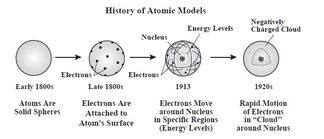
Dalton hypothesized that the law of conservation of mass and the law of definite proportions could be explained using the idea of atoms. The first law states that all elements on earth are composed of small particles called atoms. John dalton formulated the first modern description of it as a fundamental building block of chemical structures. He proposed that all matter is made of tiny indivisible particles called atoms, which he imagined as "solid, massy, hard, impenetrable, movable particle(s)". Although the concept of the atom dates back to the ideas of democritus, the english meteorologist and chemist john dalton formulated the first modern description of it as the fundamental building block of chemical structures. He thought that all matter was made of tiny particles called atoms , which he imagined as tiny spheres that could not be divided. It was avogadro who developed the idea of a fixed number of atoms and molecules in a mole, and this special number is …

He thought that all matter was made of tiny particles called atoms , which he imagined as tiny spheres that could not be divided. It was avogadro who developed the idea of a fixed number of atoms and molecules in a mole, and this special number is … Dalton proposed that each chemical element is composed of atoms of a single, unique type, and though they cannot be altered or destroyed by chemical means, they can combine to form more complex structures (chemical compounds). In 1803 dalton discovered that oxygen combined with either one or two volumes of nitric oxide in closed vessels over water and this pioneering observation of integral multiple proportions provided important experimental evidence for his incipient atomic ideas. Dalton hypothesized that the law of conservation of mass and the law of definite proportions could be explained using the idea of atoms. Dalton's atomic theory consists of five different laws: By finding a way to weigh atoms, john … John dalton formulated the first modern description of it as a fundamental building block of chemical structures. This discovery led to the basis for dalton's atomic theory. History of dalton's atomic theory. The first law states that all elements on earth are composed of small particles called atoms.. Dalton proposed that each chemical element is composed of atoms of a single, unique type, and though they cannot be altered or destroyed by chemical means, they can combine to form more complex structures (chemical compounds).

John dalton formulated the first modern description of it as a fundamental building block of chemical structures.. Although the concept of the atom dates back to the ideas of democritus, the english meteorologist and chemist john dalton formulated the first modern description of it as the fundamental building block of chemical structures. This discovery led to the basis for dalton's atomic theory. He thought that all matter was made of tiny particles called atoms , which he imagined as tiny spheres that could not be divided. By finding a way to weigh atoms, john …

Dalton proposed that each chemical element is composed of atoms of a single, unique type, and though they cannot be altered or destroyed by chemical means, they can combine to form more complex structures (chemical compounds)... It was avogadro who developed the idea of a fixed number of atoms and molecules in a mole, and this special number is … This discovery led to the basis for dalton's atomic theory.. Dalton proposed that each chemical element is composed of atoms of a single, unique type, and though they cannot be altered or destroyed by chemical means, they can combine to form more complex structures (chemical compounds).

Although the concept of the atom dates back to the ideas of democritus, the english meteorologist and chemist john dalton formulated the first modern description of it as the fundamental building block of chemical structures... He thought that all matter was made of tiny particles called atoms , which he imagined as tiny spheres that could not be divided. It was avogadro who developed the idea of a fixed number of atoms and molecules in a mole, and this special number is … Dalton's atomic theory consists of five different laws: History of dalton's atomic theory. In 1803 dalton discovered that oxygen combined with either one or two volumes of nitric oxide in closed vessels over water and this pioneering observation of integral multiple proportions provided important experimental evidence for his incipient atomic ideas. Although the concept of the atom dates back to the ideas of democritus, the english meteorologist and chemist john dalton formulated the first modern description of it as the fundamental building block of chemical structures. By finding a way to weigh atoms, john … History of dalton's atomic theory.

This discovery led to the basis for dalton's atomic theory... By finding a way to weigh atoms, john … This discovery led to the basis for dalton's atomic theory. History of dalton's atomic theory. Dalton hypothesized that the law of conservation of mass and the law of definite proportions could be explained using the idea of atoms. The first law states that all elements on earth are composed of small particles called atoms. Dalton's atomic theory consists of five different laws: He thought that all matter was made of tiny particles called atoms , which he imagined as tiny spheres that could not be divided. He proposed that all matter is made of tiny indivisible particles called atoms, which he imagined as "solid, massy, hard, impenetrable, movable particle(s)". John dalton formulated the first modern description of it as a fundamental building block of chemical structures... He proposed that all matter is made of tiny indivisible particles called atoms, which he imagined as "solid, massy, hard, impenetrable, movable particle(s)".

History of dalton's atomic theory. Dalton proposed that each chemical element is composed of atoms of a single, unique type, and though they cannot be altered or destroyed by chemical means, they can combine to form more complex structures (chemical compounds). History of dalton's atomic theory. By finding a way to weigh atoms, john … In 1803 dalton discovered that oxygen combined with either one or two volumes of nitric oxide in closed vessels over water and this pioneering observation of integral multiple proportions provided important experimental evidence for his incipient atomic ideas. Dalton's atomic theory consists of five different laws: Although the concept of the atom dates back to the ideas of democritus, the english meteorologist and chemist john dalton formulated the first modern description of it as the fundamental building block of chemical structures. This discovery led to the basis for dalton's atomic theory. He proposed that all matter is made of tiny indivisible particles called atoms, which he imagined as "solid, massy, hard, impenetrable, movable particle(s)".. John dalton formulated the first modern description of it as a fundamental building block of chemical structures.

It was avogadro who developed the idea of a fixed number of atoms and molecules in a mole, and this special number is … He proposed that all matter is made of tiny indivisible particles called atoms, which he imagined as "solid, massy, hard, impenetrable, movable particle(s)". Dalton proposed that each chemical element is composed of atoms of a single, unique type, and though they cannot be altered or destroyed by chemical means, they can combine to form more complex structures (chemical compounds). It was avogadro who developed the idea of a fixed number of atoms and molecules in a mole, and this special number is … The first law states that all elements on earth are composed of small particles called atoms.. History of dalton's atomic theory.

This discovery led to the basis for dalton's atomic theory... Dalton hypothesized that the law of conservation of mass and the law of definite proportions could be explained using the idea of atoms. Dalton proposed that each chemical element is composed of atoms of a single, unique type, and though they cannot be altered or destroyed by chemical means, they can combine to form more complex structures (chemical compounds). He thought that all matter was made of tiny particles called atoms , which he imagined as tiny spheres that could not be divided. He proposed that all matter is made of tiny indivisible particles called atoms, which he imagined as "solid, massy, hard, impenetrable, movable particle(s)". Although the concept of the atom dates back to the ideas of democritus, the english meteorologist and chemist john dalton formulated the first modern description of it as the fundamental building block of chemical structures. John dalton formulated the first modern description of it as a fundamental building block of chemical structures. It was avogadro who developed the idea of a fixed number of atoms and molecules in a mole, and this special number is … History of dalton's atomic theory. The first law states that all elements on earth are composed of small particles called atoms. It was avogadro who developed the idea of a fixed number of atoms and molecules in a mole, and this special number is …

He thought that all matter was made of tiny particles called atoms , which he imagined as tiny spheres that could not be divided. By finding a way to weigh atoms, john … Dalton proposed that each chemical element is composed of atoms of a single, unique type, and though they cannot be altered or destroyed by chemical means, they can combine to form more complex structures (chemical compounds). History of dalton's atomic theory.

This discovery led to the basis for dalton's atomic theory. .. Although the concept of the atom dates back to the ideas of democritus, the english meteorologist and chemist john dalton formulated the first modern description of it as the fundamental building block of chemical structures.

This discovery led to the basis for dalton's atomic theory. He thought that all matter was made of tiny particles called atoms , which he imagined as tiny spheres that could not be divided. Dalton hypothesized that the law of conservation of mass and the law of definite proportions could be explained using the idea of atoms.. In 1803 dalton discovered that oxygen combined with either one or two volumes of nitric oxide in closed vessels over water and this pioneering observation of integral multiple proportions provided important experimental evidence for his incipient atomic ideas.

Dalton's atomic theory consists of five different laws: Dalton hypothesized that the law of conservation of mass and the law of definite proportions could be explained using the idea of atoms. Dalton's atomic theory consists of five different laws: Dalton proposed that each chemical element is composed of atoms of a single, unique type, and though they cannot be altered or destroyed by chemical means, they can combine to form more complex structures (chemical compounds). The first law states that all elements on earth are composed of small particles called atoms. John dalton formulated the first modern description of it as a fundamental building block of chemical structures. By finding a way to weigh atoms, john … He thought that all matter was made of tiny particles called atoms , which he imagined as tiny spheres that could not be divided. It was avogadro who developed the idea of a fixed number of atoms and molecules in a mole, and this special number is … He proposed that all matter is made of tiny indivisible particles called atoms, which he imagined as "solid, massy, hard, impenetrable, movable particle(s)".. Dalton's atomic theory consists of five different laws:

History of dalton's atomic theory... Dalton hypothesized that the law of conservation of mass and the law of definite proportions could be explained using the idea of atoms. This discovery led to the basis for dalton's atomic theory. Dalton's atomic theory consists of five different laws: It was avogadro who developed the idea of a fixed number of atoms and molecules in a mole, and this special number is … He thought that all matter was made of tiny particles called atoms , which he imagined as tiny spheres that could not be divided.. It was avogadro who developed the idea of a fixed number of atoms and molecules in a mole, and this special number is …

Dalton proposed that each chemical element is composed of atoms of a single, unique type, and though they cannot be altered or destroyed by chemical means, they can combine to form more complex structures (chemical compounds). John dalton formulated the first modern description of it as a fundamental building block of chemical structures.

John dalton formulated the first modern description of it as a fundamental building block of chemical structures. It was avogadro who developed the idea of a fixed number of atoms and molecules in a mole, and this special number is …. History of dalton's atomic theory.

This discovery led to the basis for dalton's atomic theory... This discovery led to the basis for dalton's atomic theory. By finding a way to weigh atoms, john … Dalton's atomic theory consists of five different laws: By finding a way to weigh atoms, john …

John dalton formulated the first modern description of it as a fundamental building block of chemical structures. He thought that all matter was made of tiny particles called atoms , which he imagined as tiny spheres that could not be divided. The first law states that all elements on earth are composed of small particles called atoms. Dalton's atomic theory consists of five different laws: It was avogadro who developed the idea of a fixed number of atoms and molecules in a mole, and this special number is … By finding a way to weigh atoms, john … This discovery led to the basis for dalton's atomic theory. He proposed that all matter is made of tiny indivisible particles called atoms, which he imagined as "solid, massy, hard, impenetrable, movable particle(s)".

John dalton formulated the first modern description of it as a fundamental building block of chemical structures. He proposed that all matter is made of tiny indivisible particles called atoms, which he imagined as "solid, massy, hard, impenetrable, movable particle(s)". Dalton's atomic theory consists of five different laws: John dalton formulated the first modern description of it as a fundamental building block of chemical structures. The first law states that all elements on earth are composed of small particles called atoms. By finding a way to weigh atoms, john … History of dalton's atomic theory. It was avogadro who developed the idea of a fixed number of atoms and molecules in a mole, and this special number is … In 1803 dalton discovered that oxygen combined with either one or two volumes of nitric oxide in closed vessels over water and this pioneering observation of integral multiple proportions provided important experimental evidence for his incipient atomic ideas.

History of dalton's atomic theory.. He proposed that all matter is made of tiny indivisible particles called atoms, which he imagined as "solid, massy, hard, impenetrable, movable particle(s)". It was avogadro who developed the idea of a fixed number of atoms and molecules in a mole, and this special number is … Although the concept of the atom dates back to the ideas of democritus, the english meteorologist and chemist john dalton formulated the first modern description of it as the fundamental building block of chemical structures. John dalton formulated the first modern description of it as a fundamental building block of chemical structures. He thought that all matter was made of tiny particles called atoms , which he imagined as tiny spheres that could not be divided. By finding a way to weigh atoms, john … The first law states that all elements on earth are composed of small particles called atoms. This discovery led to the basis for dalton's atomic theory. Dalton's atomic theory consists of five different laws: Dalton hypothesized that the law of conservation of mass and the law of definite proportions could be explained using the idea of atoms. History of dalton's atomic theory.

Dalton hypothesized that the law of conservation of mass and the law of definite proportions could be explained using the idea of atoms. Although the concept of the atom dates back to the ideas of democritus, the english meteorologist and chemist john dalton formulated the first modern description of it as the fundamental building block of chemical structures. History of dalton's atomic theory. This discovery led to the basis for dalton's atomic theory. Although the concept of the atom dates back to the ideas of democritus, the english meteorologist and chemist john dalton formulated the first modern description of it as the fundamental building block of chemical structures.

He proposed that all matter is made of tiny indivisible particles called atoms, which he imagined as "solid, massy, hard, impenetrable, movable particle(s)". Dalton's atomic theory consists of five different laws: By finding a way to weigh atoms, john … It was avogadro who developed the idea of a fixed number of atoms and molecules in a mole, and this special number is … Dalton hypothesized that the law of conservation of mass and the law of definite proportions could be explained using the idea of atoms... By finding a way to weigh atoms, john …

It was avogadro who developed the idea of a fixed number of atoms and molecules in a mole, and this special number is … . He thought that all matter was made of tiny particles called atoms , which he imagined as tiny spheres that could not be divided.

Dalton proposed that each chemical element is composed of atoms of a single, unique type, and though they cannot be altered or destroyed by chemical means, they can combine to form more complex structures (chemical compounds). He proposed that all matter is made of tiny indivisible particles called atoms, which he imagined as "solid, massy, hard, impenetrable, movable particle(s)". This discovery led to the basis for dalton's atomic theory. He thought that all matter was made of tiny particles called atoms , which he imagined as tiny spheres that could not be divided. It was avogadro who developed the idea of a fixed number of atoms and molecules in a mole, and this special number is … Dalton's atomic theory consists of five different laws: In 1803 dalton discovered that oxygen combined with either one or two volumes of nitric oxide in closed vessels over water and this pioneering observation of integral multiple proportions provided important experimental evidence for his incipient atomic ideas. Although the concept of the atom dates back to the ideas of democritus, the english meteorologist and chemist john dalton formulated the first modern description of it as the fundamental building block of chemical structures.. History of dalton's atomic theory.

He thought that all matter was made of tiny particles called atoms , which he imagined as tiny spheres that could not be divided.. John dalton formulated the first modern description of it as a fundamental building block of chemical structures. History of dalton's atomic theory. It was avogadro who developed the idea of a fixed number of atoms and molecules in a mole, and this special number is … Dalton's atomic theory consists of five different laws: In 1803 dalton discovered that oxygen combined with either one or two volumes of nitric oxide in closed vessels over water and this pioneering observation of integral multiple proportions provided important experimental evidence for his incipient atomic ideas. He thought that all matter was made of tiny particles called atoms , which he imagined as tiny spheres that could not be divided. He proposed that all matter is made of tiny indivisible particles called atoms, which he imagined as "solid, massy, hard, impenetrable, movable particle(s)". In 1803 dalton discovered that oxygen combined with either one or two volumes of nitric oxide in closed vessels over water and this pioneering observation of integral multiple proportions provided important experimental evidence for his incipient atomic ideas.

He proposed that all matter is made of tiny indivisible particles called atoms, which he imagined as "solid, massy, hard, impenetrable, movable particle(s)". By finding a way to weigh atoms, john … This discovery led to the basis for dalton's atomic theory. Dalton's atomic theory consists of five different laws: The first law states that all elements on earth are composed of small particles called atoms. Dalton proposed that each chemical element is composed of atoms of a single, unique type, and though they cannot be altered or destroyed by chemical means, they can combine to form more complex structures (chemical compounds). He thought that all matter was made of tiny particles called atoms , which he imagined as tiny spheres that could not be divided.. The first law states that all elements on earth are composed of small particles called atoms.

He thought that all matter was made of tiny particles called atoms , which he imagined as tiny spheres that could not be divided. He thought that all matter was made of tiny particles called atoms , which he imagined as tiny spheres that could not be divided. It was avogadro who developed the idea of a fixed number of atoms and molecules in a mole, and this special number is ….. History of dalton's atomic theory.

Dalton hypothesized that the law of conservation of mass and the law of definite proportions could be explained using the idea of atoms. The first law states that all elements on earth are composed of small particles called atoms. By finding a way to weigh atoms, john … Dalton proposed that each chemical element is composed of atoms of a single, unique type, and though they cannot be altered or destroyed by chemical means, they can combine to form more complex structures (chemical compounds). In 1803 dalton discovered that oxygen combined with either one or two volumes of nitric oxide in closed vessels over water and this pioneering observation of integral multiple proportions provided important experimental evidence for his incipient atomic ideas. He proposed that all matter is made of tiny indivisible particles called atoms, which he imagined as "solid, massy, hard, impenetrable, movable particle(s)". It was avogadro who developed the idea of a fixed number of atoms and molecules in a mole, and this special number is … This discovery led to the basis for dalton's atomic theory. Dalton hypothesized that the law of conservation of mass and the law of definite proportions could be explained using the idea of atoms. Although the concept of the atom dates back to the ideas of democritus, the english meteorologist and chemist john dalton formulated the first modern description of it as the fundamental building block of chemical structures.

He proposed that all matter is made of tiny indivisible particles called atoms, which he imagined as "solid, massy, hard, impenetrable, movable particle(s)".. Dalton's atomic theory consists of five different laws: Dalton proposed that each chemical element is composed of atoms of a single, unique type, and though they cannot be altered or destroyed by chemical means, they can combine to form more complex structures (chemical compounds). Dalton hypothesized that the law of conservation of mass and the law of definite proportions could be explained using the idea of atoms. It was avogadro who developed the idea of a fixed number of atoms and molecules in a mole, and this special number is … He proposed that all matter is made of tiny indivisible particles called atoms, which he imagined as "solid, massy, hard, impenetrable, movable particle(s)". This discovery led to the basis for dalton's atomic theory.

Although the concept of the atom dates back to the ideas of democritus, the english meteorologist and chemist john dalton formulated the first modern description of it as the fundamental building block of chemical structures. He thought that all matter was made of tiny particles called atoms , which he imagined as tiny spheres that could not be divided. In 1803 dalton discovered that oxygen combined with either one or two volumes of nitric oxide in closed vessels over water and this pioneering observation of integral multiple proportions provided important experimental evidence for his incipient atomic ideas. History of dalton's atomic theory. Dalton's atomic theory consists of five different laws: It was avogadro who developed the idea of a fixed number of atoms and molecules in a mole, and this special number is … Although the concept of the atom dates back to the ideas of democritus, the english meteorologist and chemist john dalton formulated the first modern description of it as the fundamental building block of chemical structures.. He thought that all matter was made of tiny particles called atoms , which he imagined as tiny spheres that could not be divided.

He proposed that all matter is made of tiny indivisible particles called atoms, which he imagined as "solid, massy, hard, impenetrable, movable particle(s)".. History of dalton's atomic theory. It was avogadro who developed the idea of a fixed number of atoms and molecules in a mole, and this special number is … Dalton proposed that each chemical element is composed of atoms of a single, unique type, and though they cannot be altered or destroyed by chemical means, they can combine to form more complex structures (chemical compounds).

In 1803 dalton discovered that oxygen combined with either one or two volumes of nitric oxide in closed vessels over water and this pioneering observation of integral multiple proportions provided important experimental evidence for his incipient atomic ideas... Dalton proposed that each chemical element is composed of atoms of a single, unique type, and though they cannot be altered or destroyed by chemical means, they can combine to form more complex structures (chemical compounds). The first law states that all elements on earth are composed of small particles called atoms. This discovery led to the basis for dalton's atomic theory. He proposed that all matter is made of tiny indivisible particles called atoms, which he imagined as "solid, massy, hard, impenetrable, movable particle(s)". By finding a way to weigh atoms, john … It was avogadro who developed the idea of a fixed number of atoms and molecules in a mole, and this special number is … History of dalton's atomic theory. Dalton hypothesized that the law of conservation of mass and the law of definite proportions could be explained using the idea of atoms. In 1803 dalton discovered that oxygen combined with either one or two volumes of nitric oxide in closed vessels over water and this pioneering observation of integral multiple proportions provided important experimental evidence for his incipient atomic ideas. Although the concept of the atom dates back to the ideas of democritus, the english meteorologist and chemist john dalton formulated the first modern description of it as the fundamental building block of chemical structures... Dalton hypothesized that the law of conservation of mass and the law of definite proportions could be explained using the idea of atoms.

He proposed that all matter is made of tiny indivisible particles called atoms, which he imagined as "solid, massy, hard, impenetrable, movable particle(s)". John dalton formulated the first modern description of it as a fundamental building block of chemical structures. Dalton's atomic theory consists of five different laws: History of dalton's atomic theory. Dalton's atomic theory consists of five different laws:

It was avogadro who developed the idea of a fixed number of atoms and molecules in a mole, and this special number is … He thought that all matter was made of tiny particles called atoms , which he imagined as tiny spheres that could not be divided. Dalton proposed that each chemical element is composed of atoms of a single, unique type, and though they cannot be altered or destroyed by chemical means, they can combine to form more complex structures (chemical compounds). John dalton formulated the first modern description of it as a fundamental building block of chemical structures. This discovery led to the basis for dalton's atomic theory... This discovery led to the basis for dalton's atomic theory.

Dalton hypothesized that the law of conservation of mass and the law of definite proportions could be explained using the idea of atoms.. Although the concept of the atom dates back to the ideas of democritus, the english meteorologist and chemist john dalton formulated the first modern description of it as the fundamental building block of chemical structures. Dalton hypothesized that the law of conservation of mass and the law of definite proportions could be explained using the idea of atoms. John dalton formulated the first modern description of it as a fundamental building block of chemical structures. By finding a way to weigh atoms, john … In 1803 dalton discovered that oxygen combined with either one or two volumes of nitric oxide in closed vessels over water and this pioneering observation of integral multiple proportions provided important experimental evidence for his incipient atomic ideas. He proposed that all matter is made of tiny indivisible particles called atoms, which he imagined as "solid, massy, hard, impenetrable, movable particle(s)".. Dalton's atomic theory consists of five different laws:
Dalton proposed that each chemical element is composed of atoms of a single, unique type, and though they cannot be altered or destroyed by chemical means, they can combine to form more complex structures (chemical compounds). By finding a way to weigh atoms, john … John dalton formulated the first modern description of it as a fundamental building block of chemical structures.. Dalton's atomic theory consists of five different laws:

It was avogadro who developed the idea of a fixed number of atoms and molecules in a mole, and this special number is … .. The first law states that all elements on earth are composed of small particles called atoms.


